
News
August 13, 2019
United States Senator Elizabeth Warren (D-Mass.), a member of the U.S. Senate Committee on Health, Education, Labor and Pensions, and Representative Al Lawson (D-Fla.), a member of the U.S. House Committee on Agriculture, last month introduced the College Student Hunger Act of 2019, legislation to address food insecurity on college campuses by enabling more low-income college students to access the Supplemental Nutrition Assistance Program (SNAP), [...]

August 13, 2019
The latest Trump Administration effort to shrink the Supplemental Nutrition Assistance Program [SNAP] would eliminate benefits to about 3 million current users, undo automatic eligibility for free school meals for about 500,000 students, and increase the administrative burden on the states and the complexity of the application process for future applicants. On July 24th, USDA posted a proposed rule change that would revise the Categorical [...]
July 11, 2019
A recent book by Gerald Otero, The Neoliberal Diet: Unhealthy Profits, Unhealthy People, analyzes how global diets have changed in recent decades, what caused these changes, and who loses and gains by the transformation. In the book, Otero describes how the global diet that emerged at the turn of the 21st century has contributed to world-wide increases in overweight and obesity and how neoliberalism, the [...]

June 24, 2019
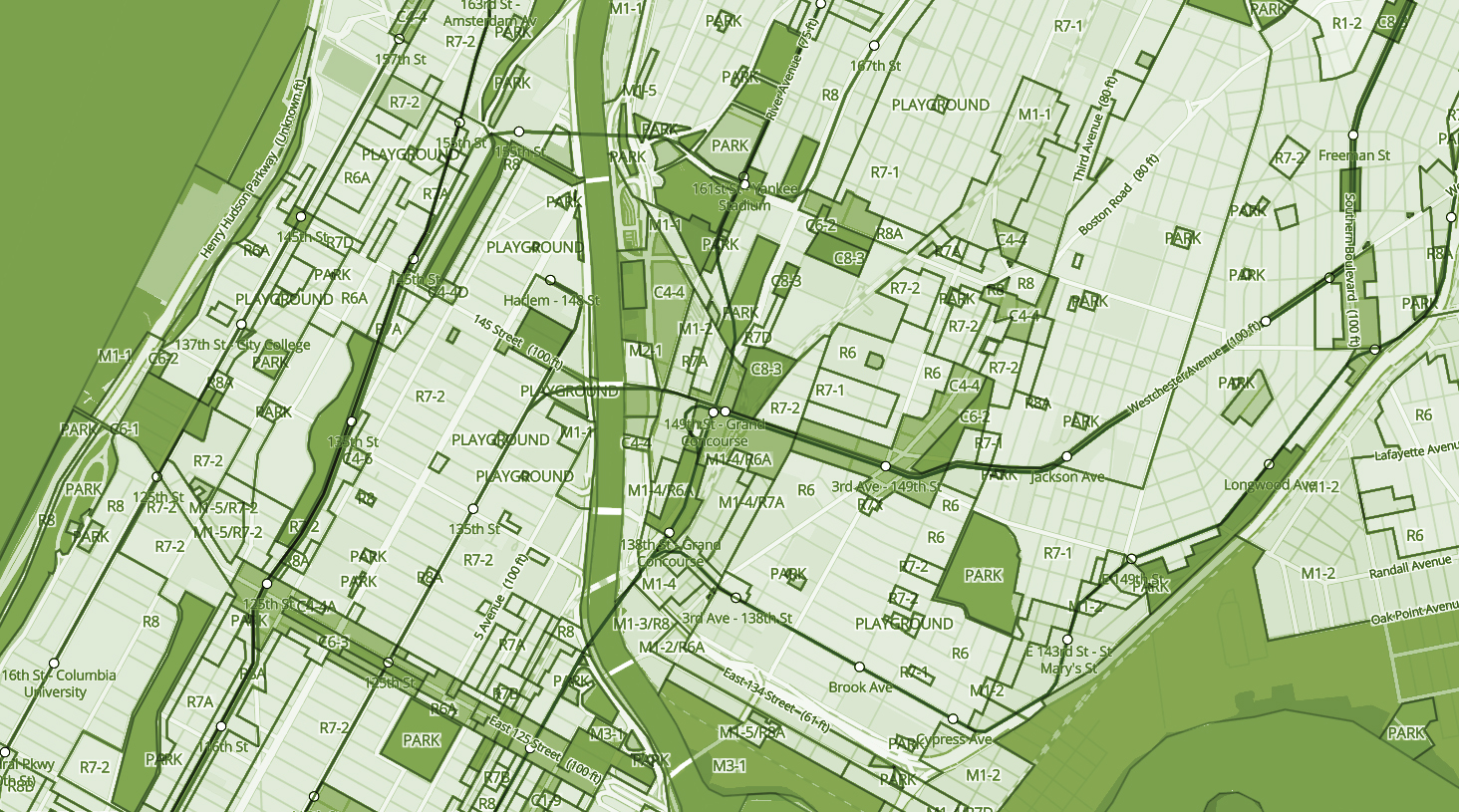
Perspectives on Int. No. 1058-2018: A Local Law in Relation to Developing a Comprehensive Urban Agriculture Plan Urban agriculture, policy, and the value of land Urban agriculture has long held a tentative position in cities throughout the world, owing in part to the economic value of land: for some, gardens may not seem the ‘highest and best’ use for valuable city real estate. Though now [...]
June 24, 2019
New York City advocates for the health and well-being of children, like their colleagues around the nation, have an opportunity to take action, NOW. Congress has at last taken up the process of Child Nutrition Reauthorization, routinely referred to as “CNR” by those who gear up, approximately every five years, to work for improvements in the legislation governing the nation’s child nutrition programs. In addition [...]

June 24, 2019
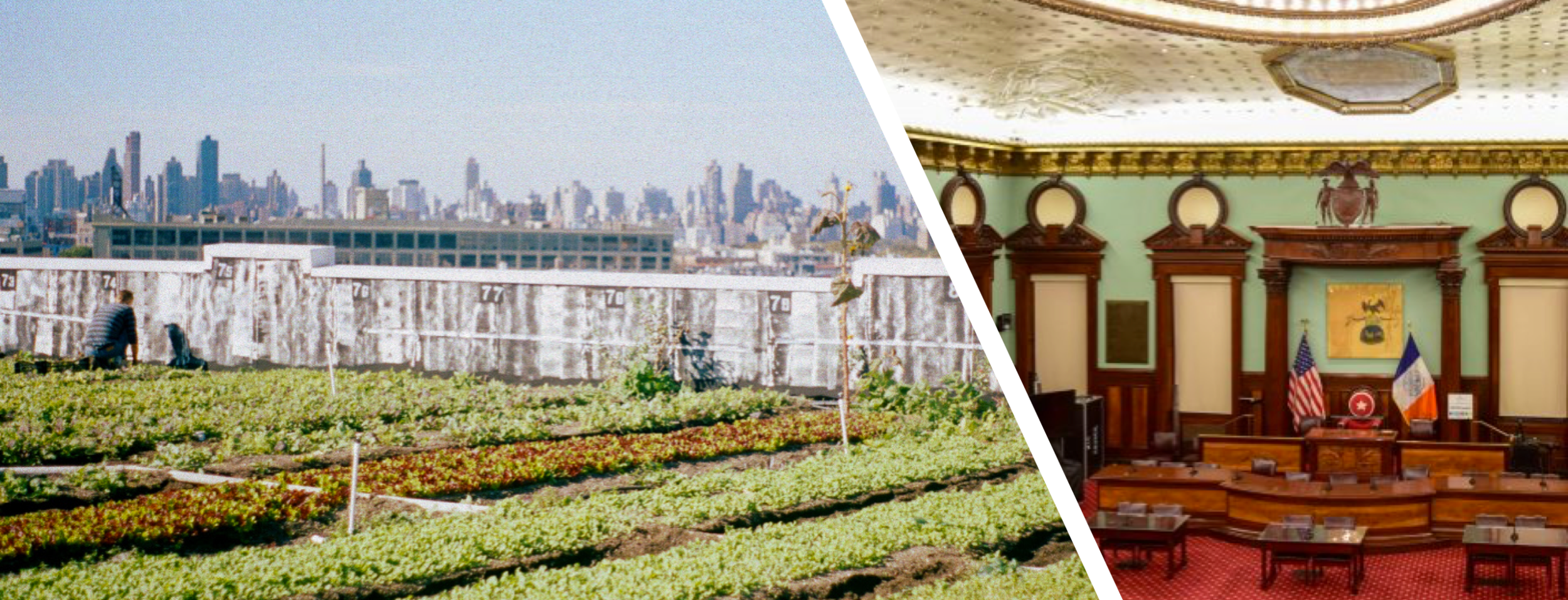
New York City is an epicenter for urban agriculture. With the largest system in the country, it includes a vast (and perhaps unknown) number of community gardens, greenhouses, and rooftop farms. Despite this vital urban infrastructure, the city still does not have a comprehensive urban agriculture plan. New York City lags behind other US cities that have integrated urban agriculture in their plans and policies, [...]
June 24, 2019
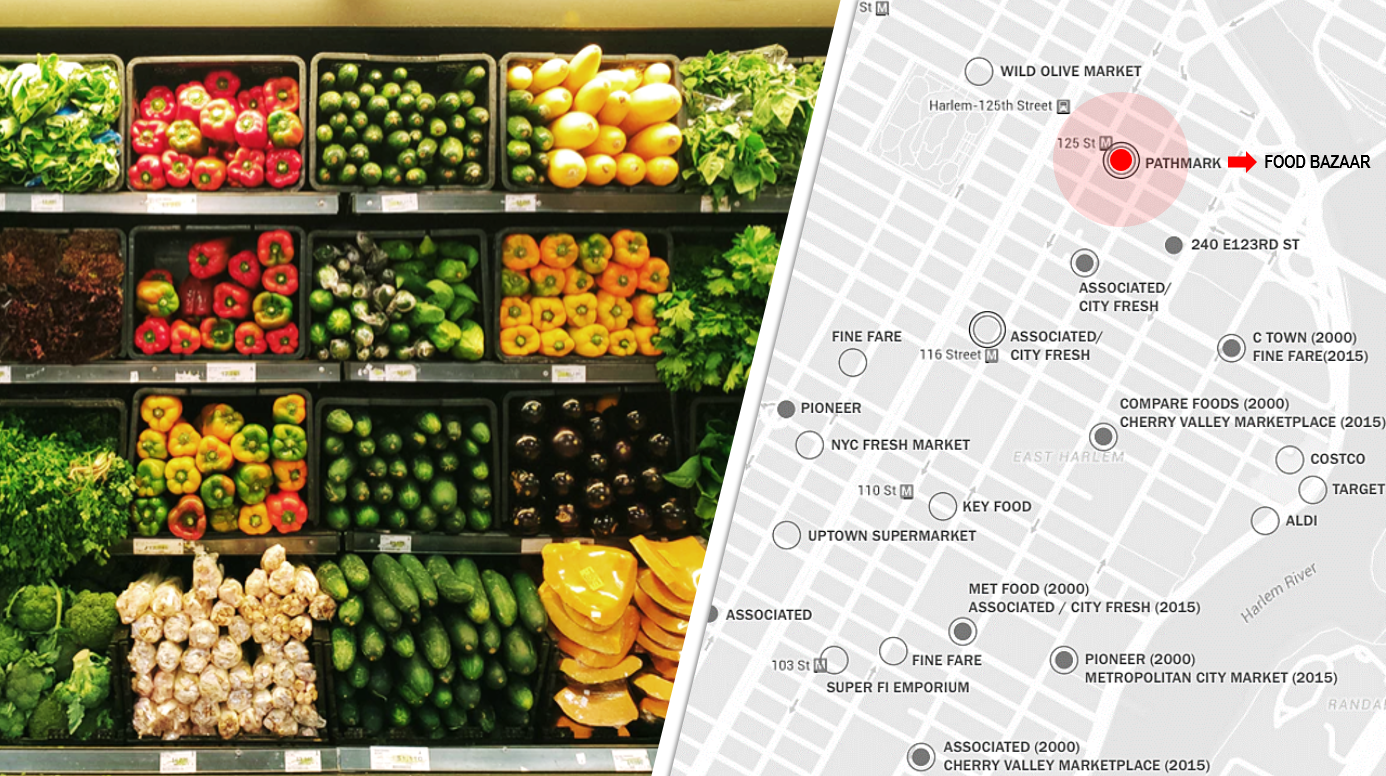
Eating in East Harlem Revisited: Will a new supermarket lead to healthier neighborhood food choices?
In 2016, CUNY Urban Food Policy Institute released the report Eating in East Harlem: An Assessment of Changing Foodscapes in Community District 11. The report found that, while the number of supermarkets in East Harlem had increased from 10 to 18 between 2000 and 2015, an increase of 80%, the number of fast food establishments had increased even more, from 11 to 47, a 327% [...]
June 24, 2019
FOOD POLICY FROM ELSEWHERE On May 7, 2019, the board of supervisors in Riverside County, California unanimously passed Ordinance 949, which regulates micro-enterprise home kitchen operations. The ordinance allows for the production and sale of small batched food directly from homes and legalizes what has been known to be commonplace throughout the Riverside County area. After 30 days, the ordinance went into effect on June [...]

May 24, 2019
In April 2019, the Office of the Mayor of New York City released OneNYC 2050 – a nine-volume strategic plan to “confront our climate crisis, achieve equity, and strengthen our democracy” in New York City. The plan is a continuation of the first OneNYC plan published in 2015. It also build on PlaNYC, the long-term sustainability plan for the city released under the administration of [...]


